MatForge

As part of the NSF NSDL, MatDL Pathway provides a branded, trusted,non-commercial, and neutral site supporting open source code development for collaborators with NIST MSEL. Through partnership with NSDL MatDL Pathway, NIST MSEL is exploring new methods to develop and disseminate its open source computational modeling and simulation tools.

As part of its mission, NIST MSEL seeks new approaches to:
  • train students in the use of its tools,
  • promote development of its tools via testing, and
  • develop a pool of users ready to transfer the technology to industry and academia.
By acting as a hub for research and education in the materials community, MatDL Pathway promotes interactions between research code developers and
  1. other similar code projects;
  2. researchers generating scientific data which could be used to test code; and
  3. educators interested in incorporating the codes into teaching materials or in having students write code modules as part of their coursework.
Projects:
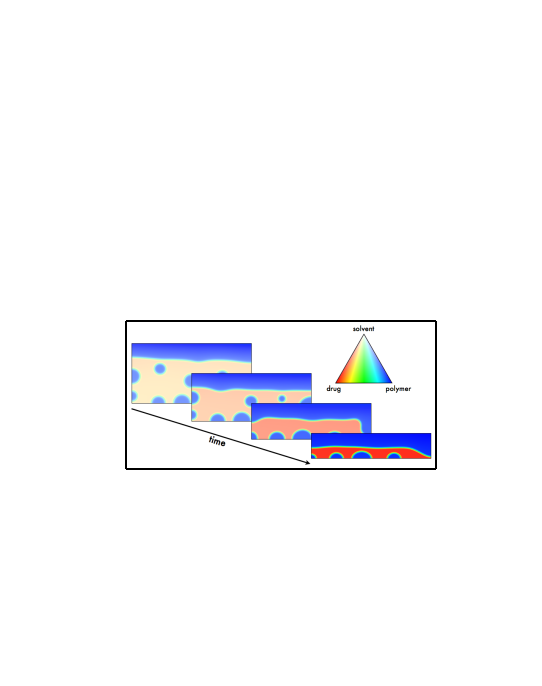
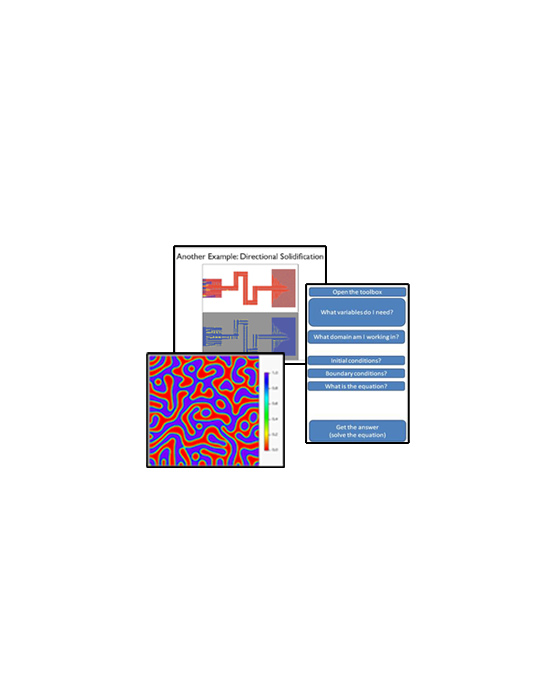
  • FiPy - an extensible object oriented, partial differential equation (PDE) solver, written in Python, based on a standard finite volume (FV) approach.
    Project Administrators: Jonathan Guyer, Daniel Wheeler, James Warren, MSEL/NIST.

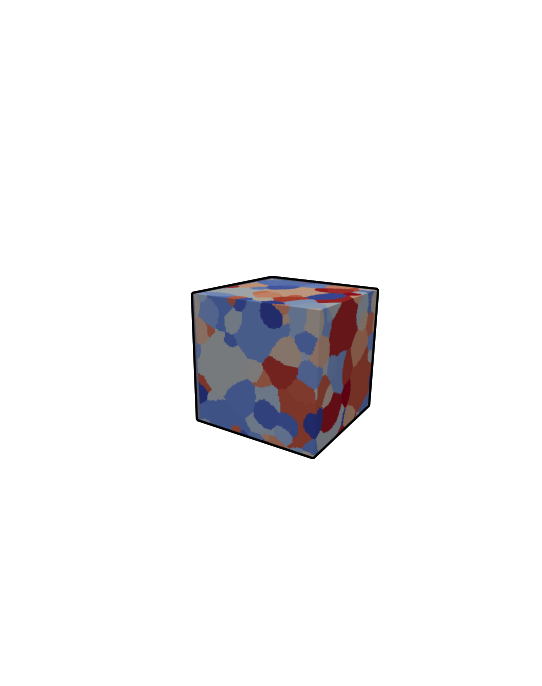
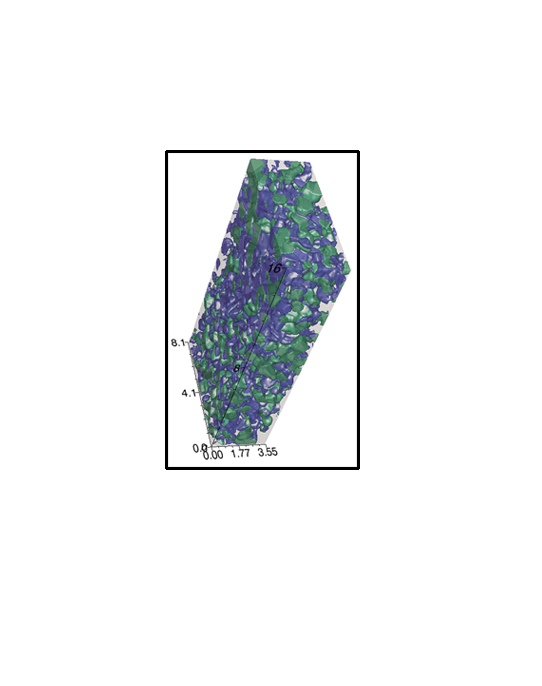
  • Carnegie Mellon Computational Materials Science - A collection of projects with special emphasis on digital microstructure generation, evolution, and analysis. Also various subroutines and scripts for crystallographic texture analysis and data visualization.
    Project Administrator: Anthony Rollett, Materials Science and Engineering, Carnegie Mellon University
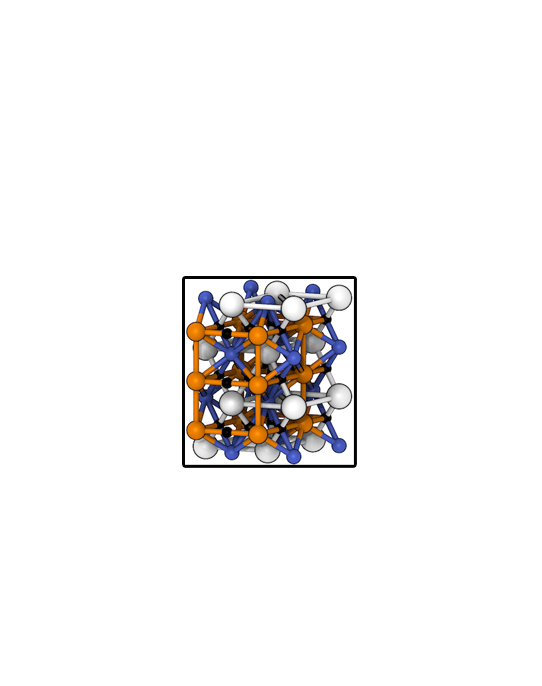
  • Department of Energy. Computatonal Materials Science Network Cooperative Research Team. Dynamics and Cohesion of Materials Interfaces and Confined Phases Under Stress.
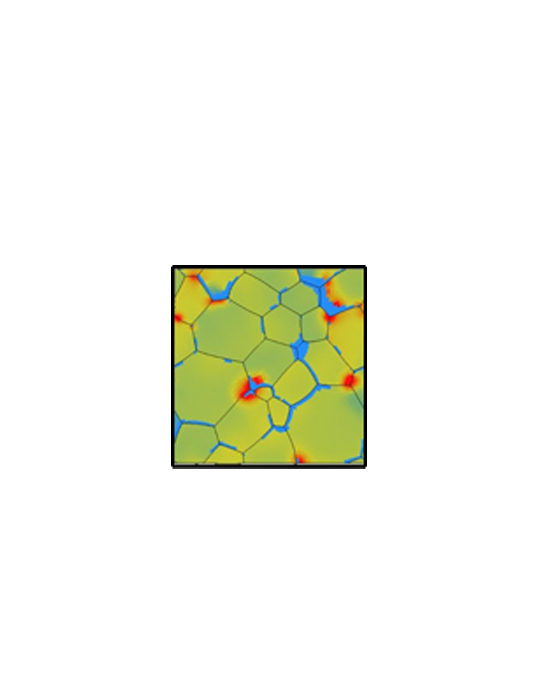
    This project brings together over 25 researchers from academia and national labs, supported through the Department of Energy "Computational Materials Science Network" (Program Link) to address challenging new methodological developments required to understand at a fundamental level the physics governing complex interface-dominated processes associated with the breakdown of crystal cohesion and failure of stressed polycrystalline materials. The development and validation of multiscale simulation methodologies are being undertaken in the context of enabling predictive modeling of interface-mediated processes relevant to the processing and lifetime of materials for high-temperature energy-related applications.
    Project Administrator: Mark Asta, Chemical Engineering & Materials Science, University of California at Davis
  • Lab for Computational Nanoscience and Soft Matter Simulation
    Project Administrator: Sharon Glotzer, Departments of Chemical Engineering, Materials Science and Engineering, Physics, Macromolecular Science and Engineering, and Applied Physics, University of Michigan
  • Powell Research Group
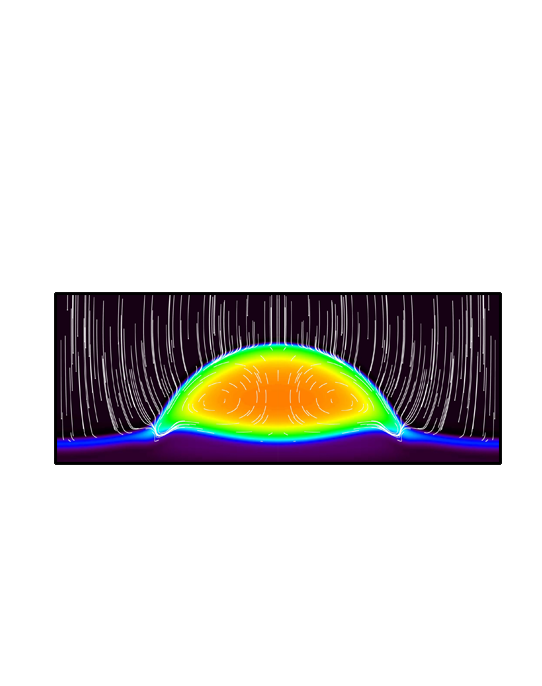
    Project Administrator: Adam Powell, Veryst Engineering.
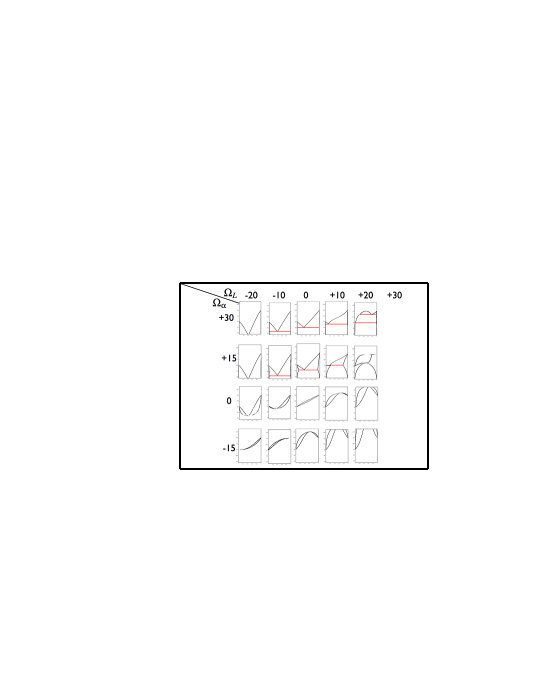
  • ChemPhys 74495 Computational Materials Science - a graduate class on computational materials science.
    Project Administrator:
    Robin Selinger, Chemical Physics Program and Liquid Crystal Institute, KSU.


Kent State University NIST MIT University of Michigan Purdue Iowa State University

About | Terms of Use | Contact | Privacy Policy